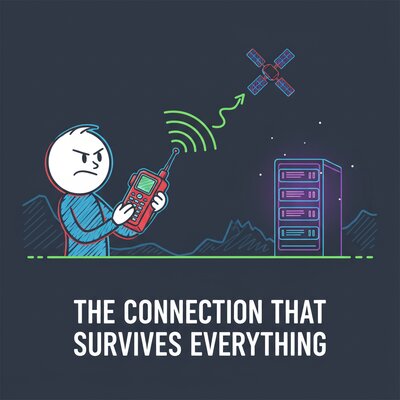
One person builds it. The whole family uses it. Connect with other Arks and your village gets stronger.
Parent who wants their family to have AI tools without sending every question to a corporation. Sets it up once, family uses it forever.
Professional who needs AI code assistance, writing tools, and local document analysis without company data leaving the house.
Small business owner who runs their own infrastructure. Email, storage, AI - all on hardware they own. No monthly invoices from cloud providers.
Tinkerer who wants a Linux box with Ollama, Docker, Tailscale, and a GPU - preconfigured and ready to hack on day one.
Your data never leaves your house. No cloud sync. No telemetry. The AI runs on your hardware, in your home, on your network.
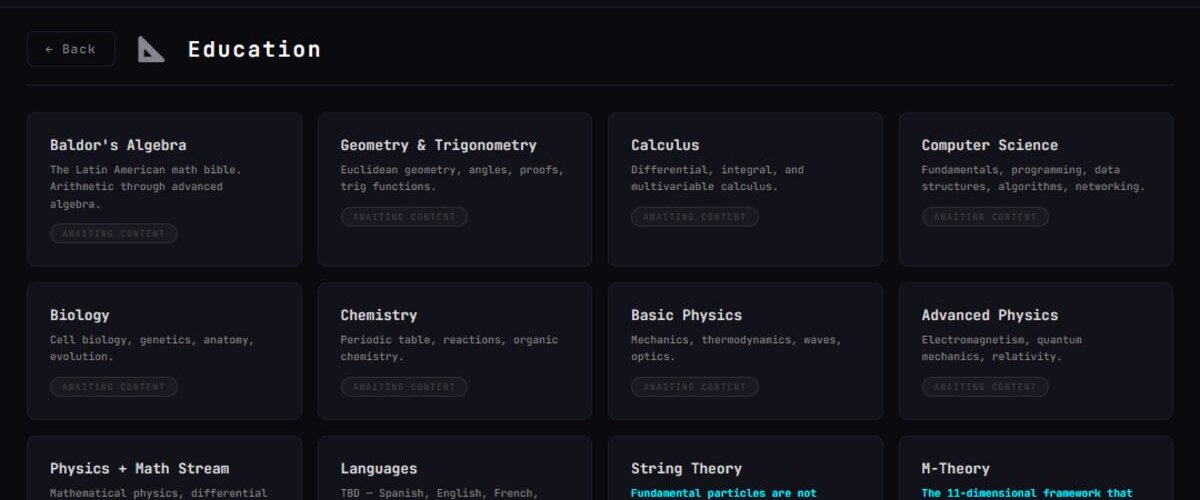
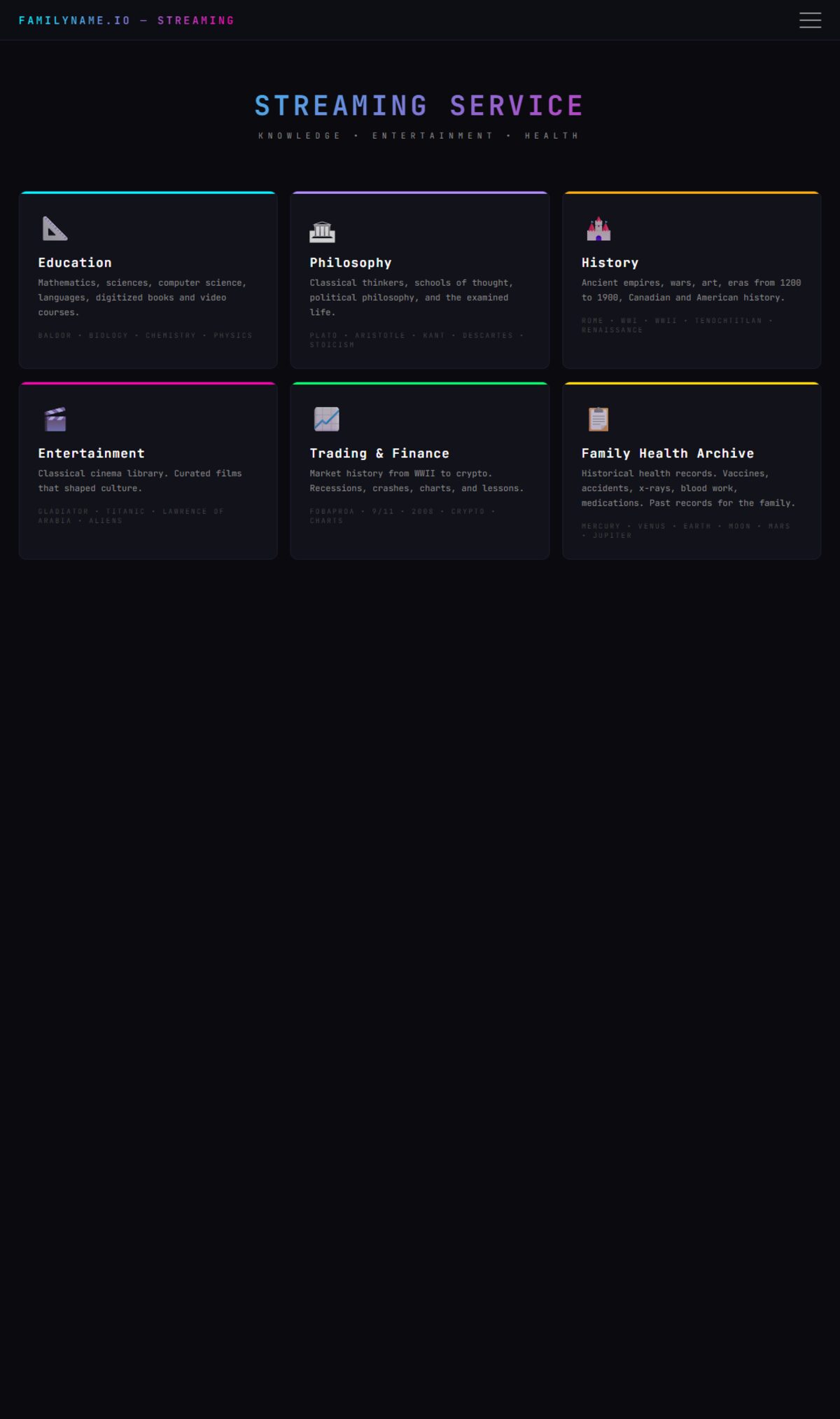
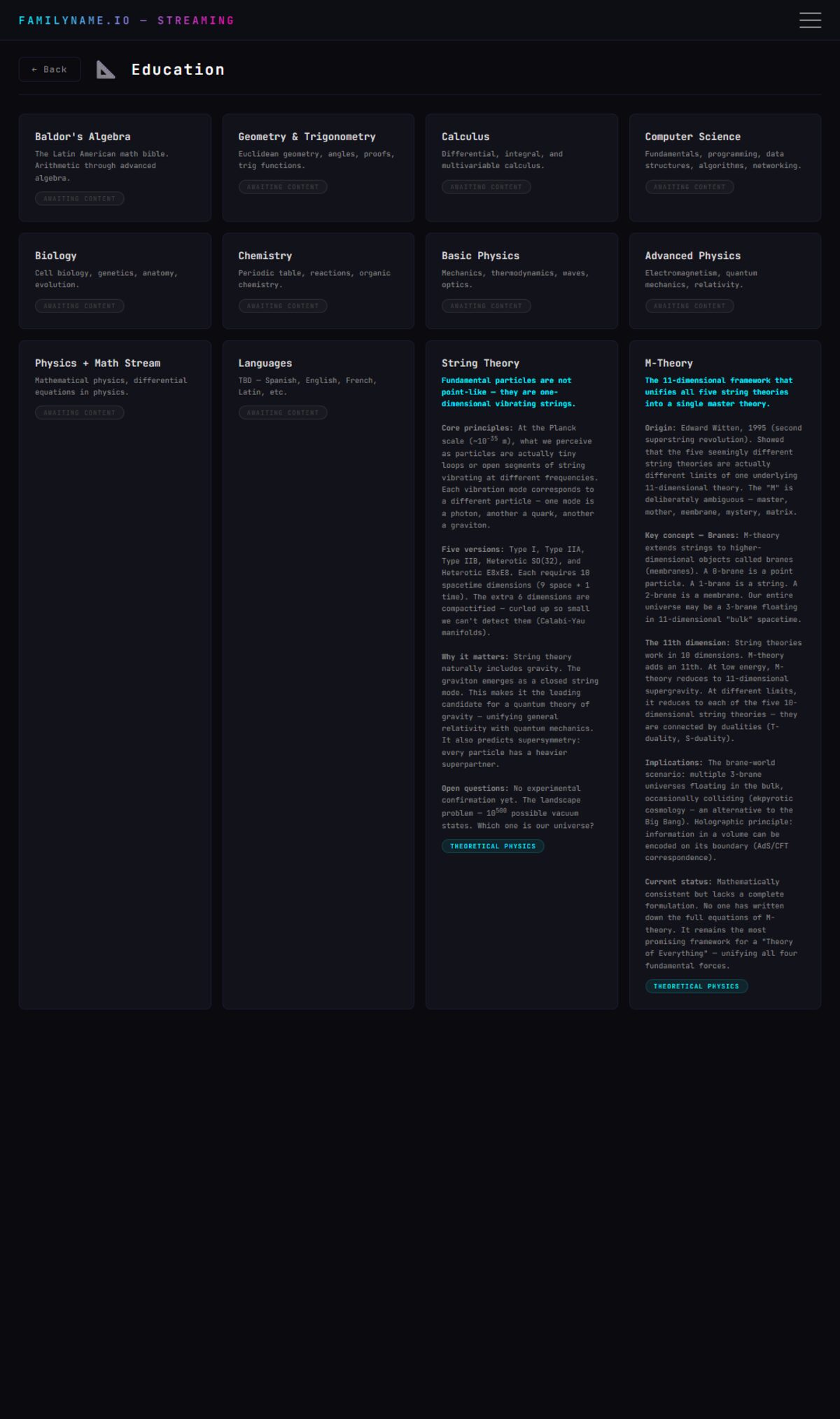
Kids ask the AI questions. It answers from local models. Wikipedia, textbooks, tutoring - no internet required. Works during outages.
You decide what the AI can discuss. Content filtering at the model level, not the app level. No child ever sees an API key.
No monthly fees. No per-seat pricing. No API bills. Buy the hardware once. Run it forever. The software is open source.
ArkNet is a peer-to-peer mesh network that connects Ark servers. No central server. No account. No sign-up. Your Ark discovers nearby Arks and shares resources - compute, models, knowledge - while keeping private data private.
Arks on the same LAN find each other automatically via mDNS. Zero configuration. Plug in, power on, discovered.
Arks behind different routers connect through encrypted tunnels (Tailscale/WireGuard). Your parents' Ark talks to yours across the internet.
Opt-in discovery across the wider ArkNet. Find Arks that share models you need. Distribute inference across your village. Collective intelligence.
| Cloud AI Subscriptions | Ark | |
|---|---|---|
| Cost | $20-200/mo per person | $0/mo. Hardware once. |
| Privacy | Your data trains their models | Data never leaves your house |
| Offline | No internet = no AI | Full capability offline |
| Family | Per-seat pricing | Unlimited users, one box |
| Control | They decide what's appropriate | You decide |
| Data | Stored on their servers | Stored on your hardware |
| Longevity | Service shuts down, you lose everything | Your hardware, your data, forever |
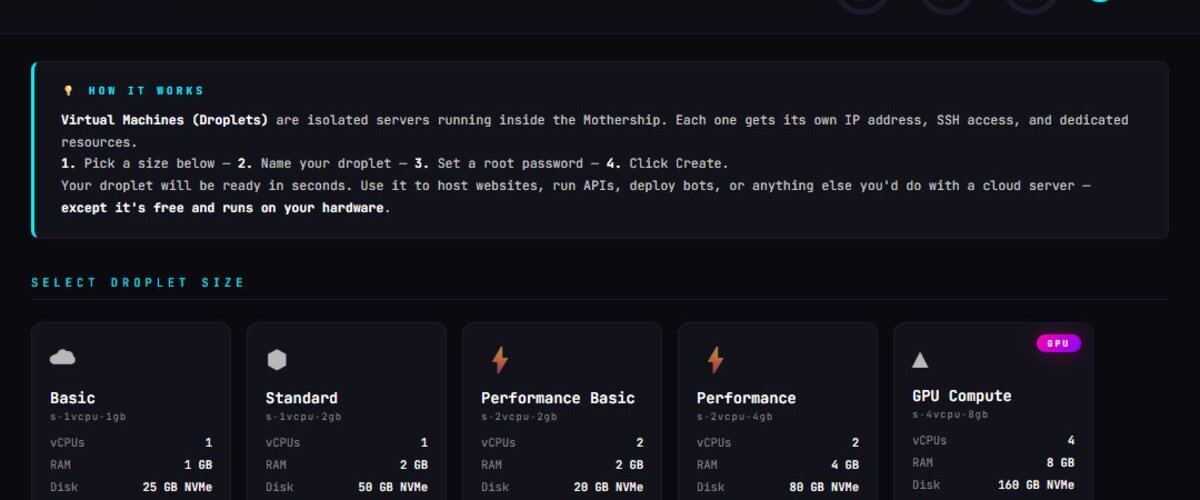
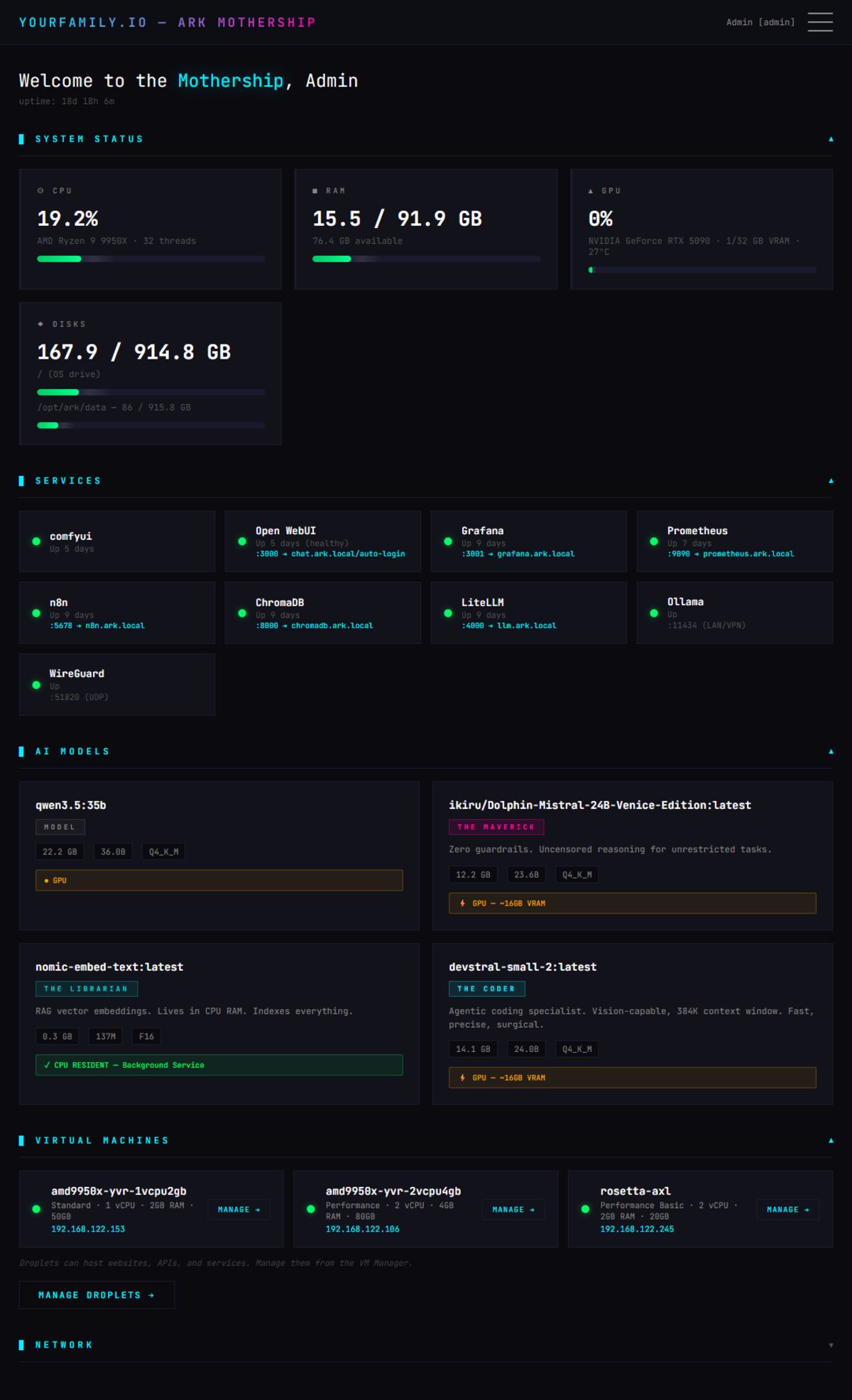
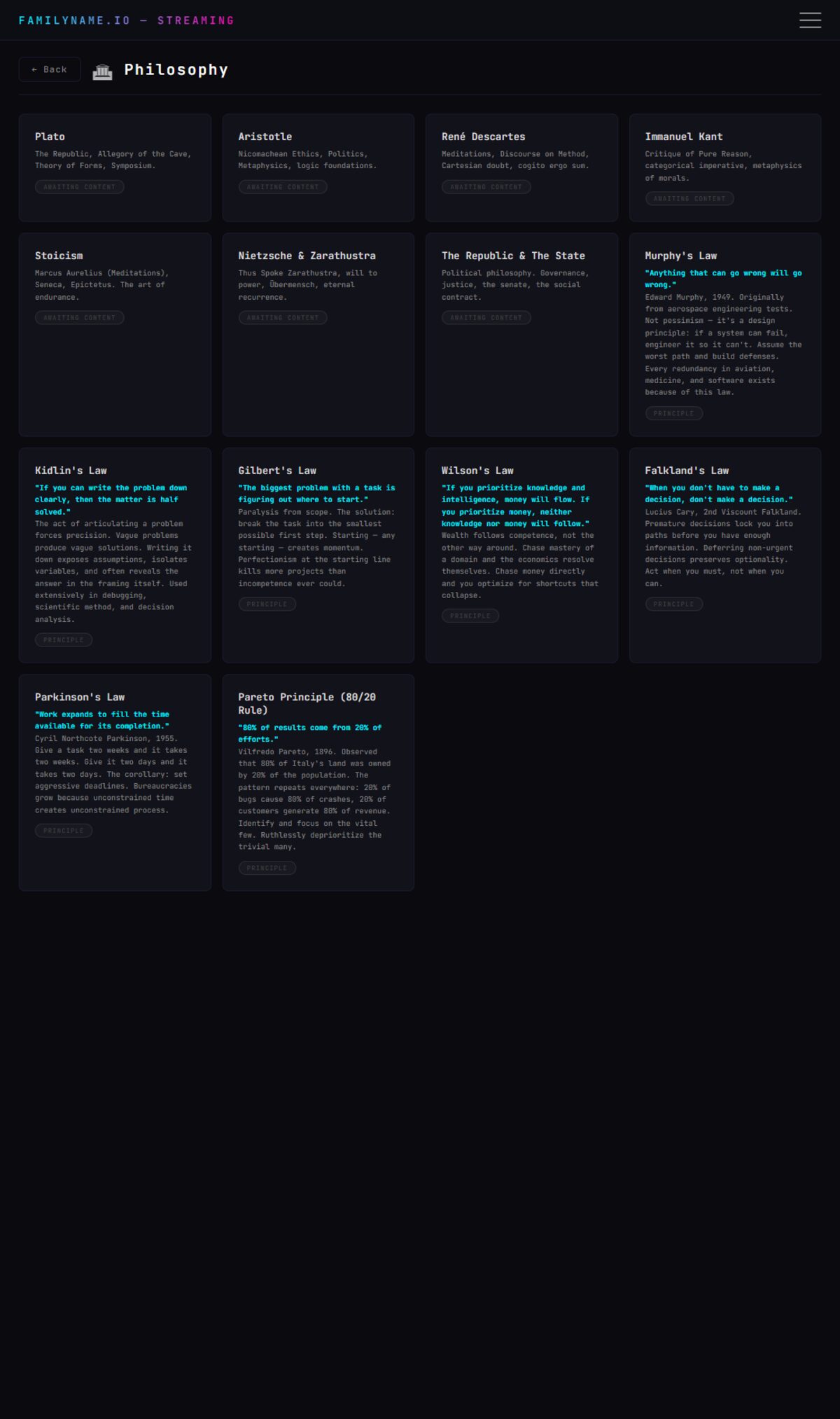
Nine services. All open source. All running on your hardware.
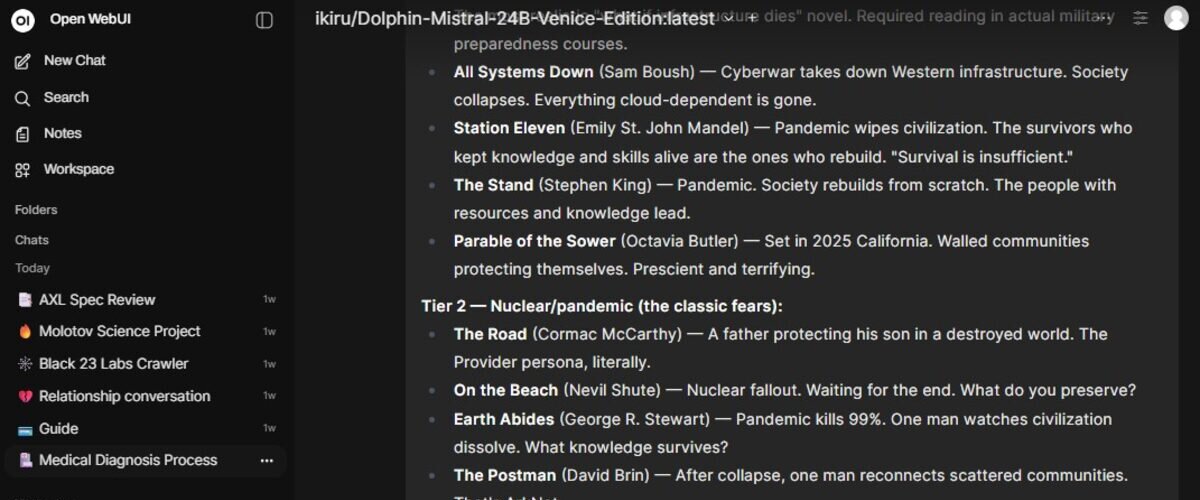
Talk to local LLMs. Llama, Mistral, Qwen, Phi - your choice. Runs on your GPU. Conversations stay on your disk.
VS Code-compatible AI coding. Autocomplete, refactoring, debugging. Your codebase never touches a cloud API.
Drop PDFs, notes, manuals into a folder. Ask questions in natural language. RAG over your own documents.
Photos, music, movies. Organized, searchable, streamable. Your family's media library without subscription fees.
Nextcloud-style file sync across devices. Phone backups. Shared family folders. No iCloud, no Google Drive.
Self-hosted email if you want it. Your domain, your mailbox, your rules. Or just use it for internal family messaging.
Access your Ark from anywhere. Tailscale or WireGuard built in. Secure tunnel to your home network from any device.
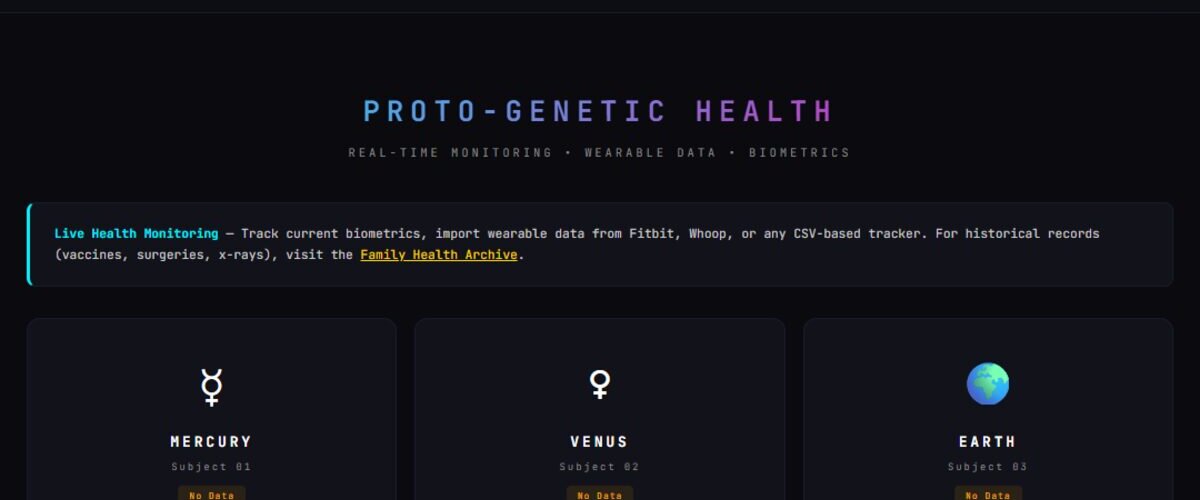
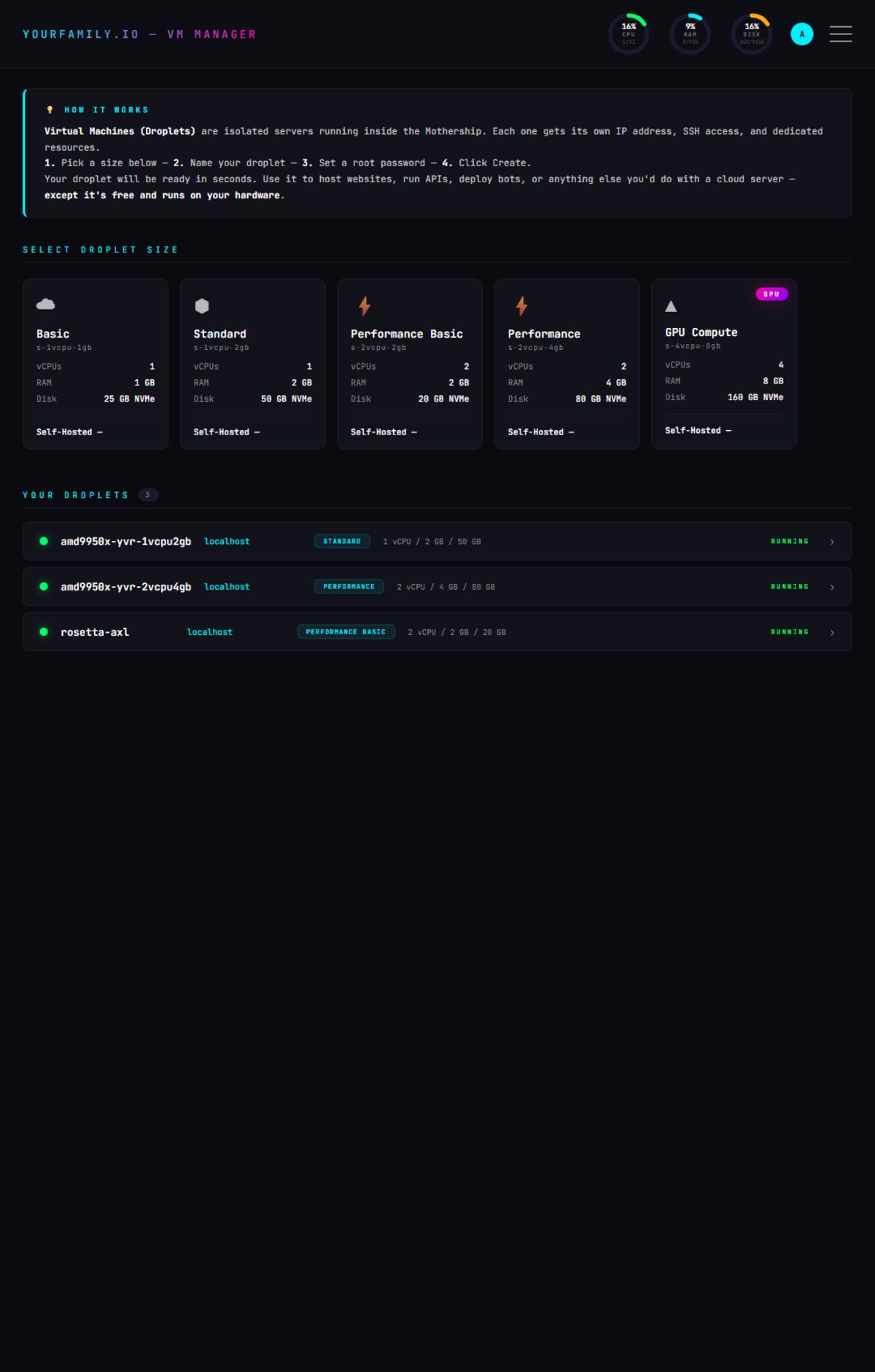
Dashboard showing CPU, RAM, GPU utilization, model performance, and network status. Know your Ark is healthy.
Content filtering at the model level. DNS-based blocking. Usage logs. Age-appropriate AI responses. You set the rules.
"In every collapse story, the survivors aren't the ones with the most followers. They're the ones who kept knowledge local, built community meshes, and didn't depend on someone else's server."
These aren't hypotheticals. Every one of these has happened in some form in the last five years.
An EMP. A cyberattack. A hurricane that takes out the backbone for three weeks. Your cloud AI, your maps, your kid's homework tools - gone. Your Ark is still running on your UPS. Local models. Local data. Local power.
New terms of service. Price doubles overnight. Your country gets geo-blocked. Your favorite model gets deprecated without warning. Your Ark doesn't care. You own the weights. You own the hardware. Nobody can revoke your access to your own machine.
Schools close. Internet infrastructure strains under load. Everyone fights for bandwidth on overloaded servers. Your family has offline Khan Academy, offline Wikipedia, and an AI tutor running on your local network at full speed. No contention. No throttling. No outage.
Models get censored. Capabilities get removed. Features you relied on disappear behind enterprise paywalls. Research tools get lobotomized for liability reasons. Your Ark runs the models you chose, with the parameters you set, answering the questions you ask.
Pick your tier. We configure everything. You plug it in.
Ark started as a personal project - a father who wanted his family to have AI without giving a corporation access to his children's questions. Every feature exists because someone in the family needed it. The code is open source because the best security is transparency.